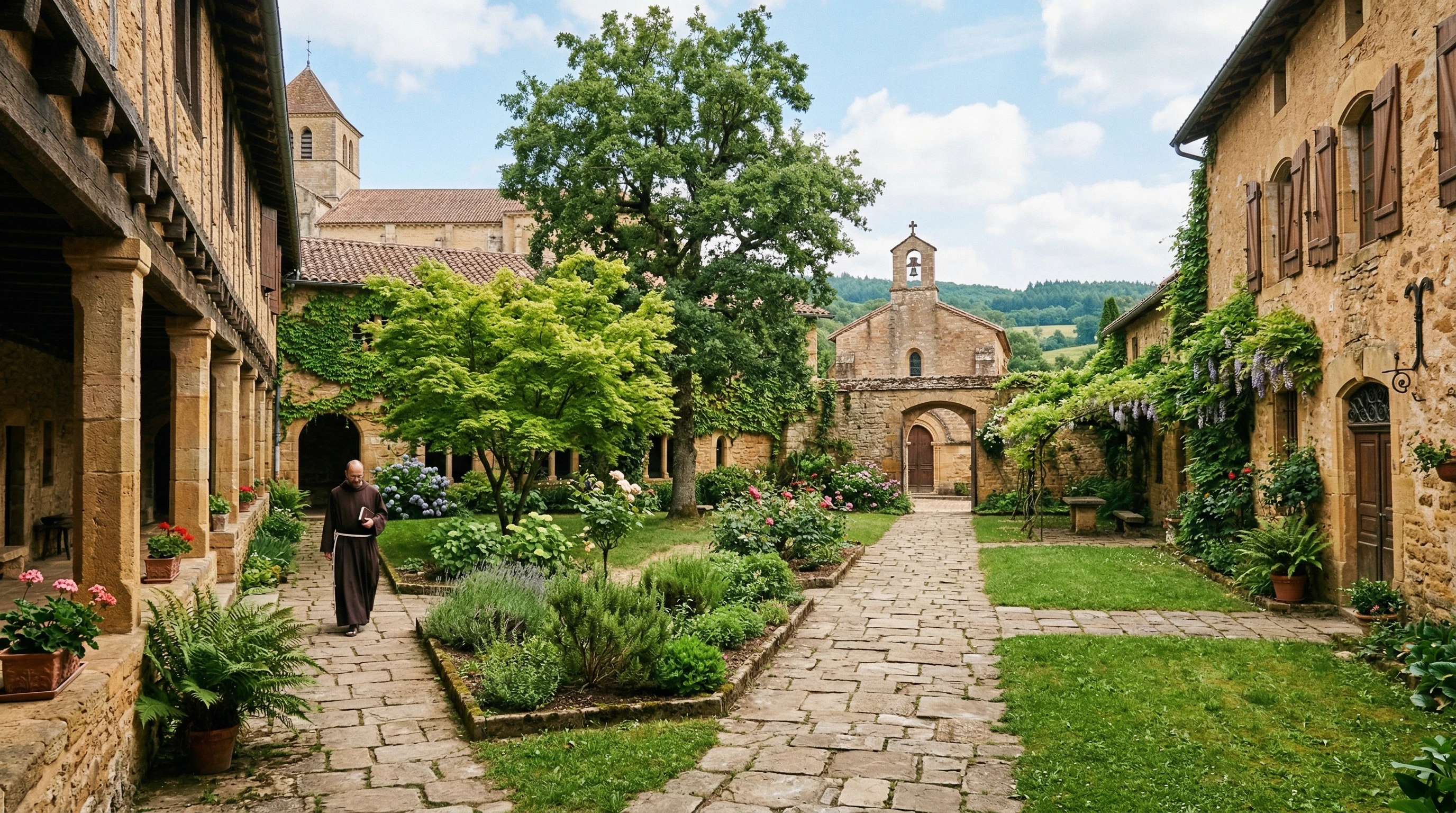
Monastic life has always sparked a mix of curiosity and respect in people. Whether drawn from ancient Buddhist monasteries, medieval Christian abbeys, or quiet hermitages around the world, living as a monk isn’t just about withdrawal. It’s really centred on structure, intention, and a genuine search for peace and understanding. I’m breaking down the core principles of monastic life here, sharing what they mean in day-to-day routines and why so many find them worth exploring.
Contents
- 1 Understanding Monastic Life and Its Roots
- 2 Core Values That Shape Monastic Life
- 3 Getting Started with a Monastic Routine
- 4 Things Worth Considering Before Committing to Monastic Life
- 5 Practical Advice If You’re Curious About Monastic Living
- 6 The Most Common Questions About Monastic Life
- 7 Day-to-Day Gear and Setup For Modern Monastic Living
- 8 Real-World Benefits of Practising Monastic Principles; Even Outside a Monastery
Understanding Monastic Life and Its Roots
Monastic life stretches back thousands of years, finding its place in many traditions like Buddhism, Christianity, Jainism, and even some aspects of Hinduism. At the heart, monastic life is about making time and space for self-reflection and spiritual work, backed by a supportive community or in total solitude.
It’s pretty interesting to see how monasteries have switched up over time, often adapting to the needs of society. Early monks lived as hermits, focusing on solitude. Later, communities started forming where daily work, shared meals, and collective prayer became the norm. Even today, you’ll find both these traditions around the world.
Some monasteries keep a very open-door policy for seekers, while others hold tight to privacy and separation from society. Across the board, though, certain principles remain steady, shaping both the smallest details (like meal routines) and the big-picture goals (like a lifelong adventure for inner peace).
Core Values That Shape Monastic Life
Monastic living is rooted in a few key principles, which guide everything from waking up at dawn to shared work in the garden. These principles aren’t about denying yourself or running from the world; they’re meant to direct energy in a single direction and keep distractions low so deeper reflection can actually happen.
- Discipline: Monks and nuns commit to routines, like waking early, cleaning, meditating or praying, and sharing quiet meals. Routines support focus and give structure, which really helps when you’re chasing something as elusive as inner calm.
- Detachment: Monastic communities stress the value of letting go of things that pull your mind in too many directions, not just physical stuff, but also things like gossip, competition, or even too much planning for the future.
- Service and Simplicity: Most traditions include chores—cooking, gardening, cleaning—as part of daily life. The simplicity of this work, done together, brings a sense of purpose and keeps egos in check.
- Mindfulness: Staying present is a huge piece of the puzzle. Whether meditating, chanting, or walking, the goal is to be aware in every moment, no matter how ordinary it looks on the outside.
- Community: Living close to others in silence and work teaches a lot about patience, compromise, and genuine connection. Even hermits usually have some ties to a larger community.
Getting Started with a Monastic Routine
Joining a monastery isn’t the only way to get a taste of this lifestyle. Many places offer short retreats, guest stays, and introduction programs designed to help people experience monastic rhythms without making a long-term commitment. Here’s what a classic day often looks like, based on real-world monasteries I’ve visited and studied:
- Early Rising: Most days begin before dawn, often around 4 or 5 AM. The morning hours are usually set aside for meditation or prayer, meant to jumpstart the day with a clear mind.
- Communal Meals: Breakfast and lunch tend to be the main meals, usually eaten together (often in silence). Dinner is lighter, and in some communities, skipped entirely.
- Work Periods: Everyone helps out. Garden work, cleaning buildings, preparing food, or maintaining the property are all part of the normal routine. The work is rarely rushed. Moving slowly and staying focused is the name of the game.
- Personal Practice: Time for private study, reflection, or spiritual exercises gets baked into the schedule.
- Evening Silence: The last part of the day is all about winding down with group or solo quiet time. Some monasteries hold evening prayers or chanting sessions. Others simply encourage total silence.
Things Worth Considering Before Committing to Monastic Life
Picturing monastic life as endlessly peaceful would be pretty misleading. There are some practical hurdles, and the day-to-day can reveal new challenges, even for the committed. Here are real points to think about based on what I’ve learned visiting and talking to monks and nuns:
- Isolation: Living away from friends, family, and familiar comforts can bring up waves of loneliness and uncertainty, especially in the early days.
- Dependency: A lot of monasteries rely on outside donations or support, and the uncertainty of resources can get stressful at times.
- Physical Work: Chores are a huge part of the routine and can get tiring, especially for folks used to sitting at a desk all day.
- Adjusting to Silence: For people who love chatting or background noise, moving into a silent or semi-silent environment can be a shock to the system (though most say it gets easier with practice).
Dealing With Change and Uncertainty
Change is unavoidable, even in a monastery. Leadership changes, guests come and go, and personal needs mix up with age or health. Many monks describe learning to adapt and “let go” over and over again, sometimes daily. This mindset is really useful in regular life too. Developing resilience, patience, and acceptance is often part of the process. People in monastic communities quickly come to see change as an opportunity for growth rather than just a challenge.
Balancing Structure and Flexibility
Some people worry that monastic life is all rigidity, but there’s usually a balance. While schedules are tight, most monasteries allow time for personal interests, hobbies, and reflection so people don’t burn out. Over time, individuals learn to make the most of the structure while also giving themselves permission for constructive breaks. This balance can be really important in making the lifestyle sustainable in the long run.
Practical Advice If You’re Curious About Monastic Living
- Try a Retreat: Many monasteries welcome beginner guests for a few days or even a week. Experience the real-life rhythms and see how the environment feels.
- Start Small at Home: Adopt a few monastic habits, like set mealtimes, daily meditation, or keeping your space clutter-free.
- Focus on Community Activities: Find a local meditation group or spiritual community. Doing inner work alongside others can help ease the transition.
- Be Patient With Yourself: Jumping into new routines doesn’t always feel natural right away, especially when silence is involved. Allow time for adjustment or occasional slip-ups.
- Keep Learning: Books, podcasts, and talks by monks from a wide range of traditions can give background and practical insights before you make any big decisions. Videos and online courses now make this step even more accessible for anyone interested.
The Most Common Questions About Monastic Life
I hear a lot of great questions from folks curious about this path. Here are some of the top ones:
Question: What makes someone choose monastic life these days?
Answer: For most, it’s a draw toward deeper understanding or a strong desire to break from distractions. Others are searching for spiritual meaning or more authentic connections, either with the universe, God, or a community.
Question: Do all monasteries require strict vows?
Answer: Not always. Some communities need lifelong commitments, while others allow flexible, renewable vows or even temporary stays. Each place has its own rules, so checking ahead is pretty important.
Question: Can you leave if monastic life doesn’t fit?
Answer: Most monasteries have a process for leaving if it’s not a good match. Guests and new members usually have trial periods for exactly this reason. Open communication with the leadership is encouraged, and support is often provided for those transitioning out.
Day-to-Day Gear and Setup For Modern Monastic Living
While people imagine monks with little more than robes and prayer beads, there are a few really practical things that help keep monastic life running smoothly and comfortably:
- Simple Clothing: Monastic dress is usually pretty basic, just enough to handle the climate and everyday chores.
- Personal Items: A small set of books, a notepad, and maybe a favourite mug or blanket for comfort, all chosen mindfully so clutter doesn’t build up.
- Tools for Chores: Basic cleaning gear, kitchen equipment, or gardening tools are usually shared.
Many communities use technology for practical needs, like communication, repairs, or staying connected to wider networks, without letting it take over daily life. A lot of modern monasteries have updated kitchens, solar power, and efficient heating; but the focus stays on simplicity and usefulness.
- Gardening and Groundskeeping: Many monks grow at least some of their own food, which keeps costs down and brings a deeper connection to the land.
- Handmade Crafts: Items like soaps, candles, or jams are sometimes made and sold to support the community.
- Books and Music: Spiritual reading and music are pretty common for study, prayer, or just winding down after a busy day. Some monasteries might even host small music gatherings or reading circles when appropriate.
It’s not all austerity—there’s an appreciation for simple pleasures like a well-made cup of tea, a sturdy bench in the garden, or a shared meal made from the day’s harvest. These little details support both body and spirit, showing that monastic life is about mindful living, not deprivation.
Real-World Benefits of Practising Monastic Principles; Even Outside a Monastery
I’ve noticed that bringing just a bit of monastic routine into daily life can boost focus, bring down stress, and create a sense of balance. Here’s how some of those principles show up in regular routines:
- Meditation and Quiet: Regular time offline, even ten minutes, can reset your brain the same way monks use longer periods of silence. This simple investment in quiet helps many people handle modern pressures better.
- Community Connection: Helping out friends or joining a local volunteer program brings some of the “service” spirit into modern life.
- Simplicity in Space: Keeping things uncluttered and setting aside time for chores after meals creates smoother transitions in busy days. Clearing out distractions, even for a few minutes each day, can have big effects on mood and clarity.
It’s less about copying everything exactly and more about picking habits that genuinely fit. These little adjustments can make everyday life feel a lot clearer and more manageable. By focusing on thoughtful routines, service, and mindfulness, you can give your own daily rhythm a boost and spot new possibilities for growth—both spiritual and practical. These age-old principles really do have something to offer modern life when you bring them into your own world.