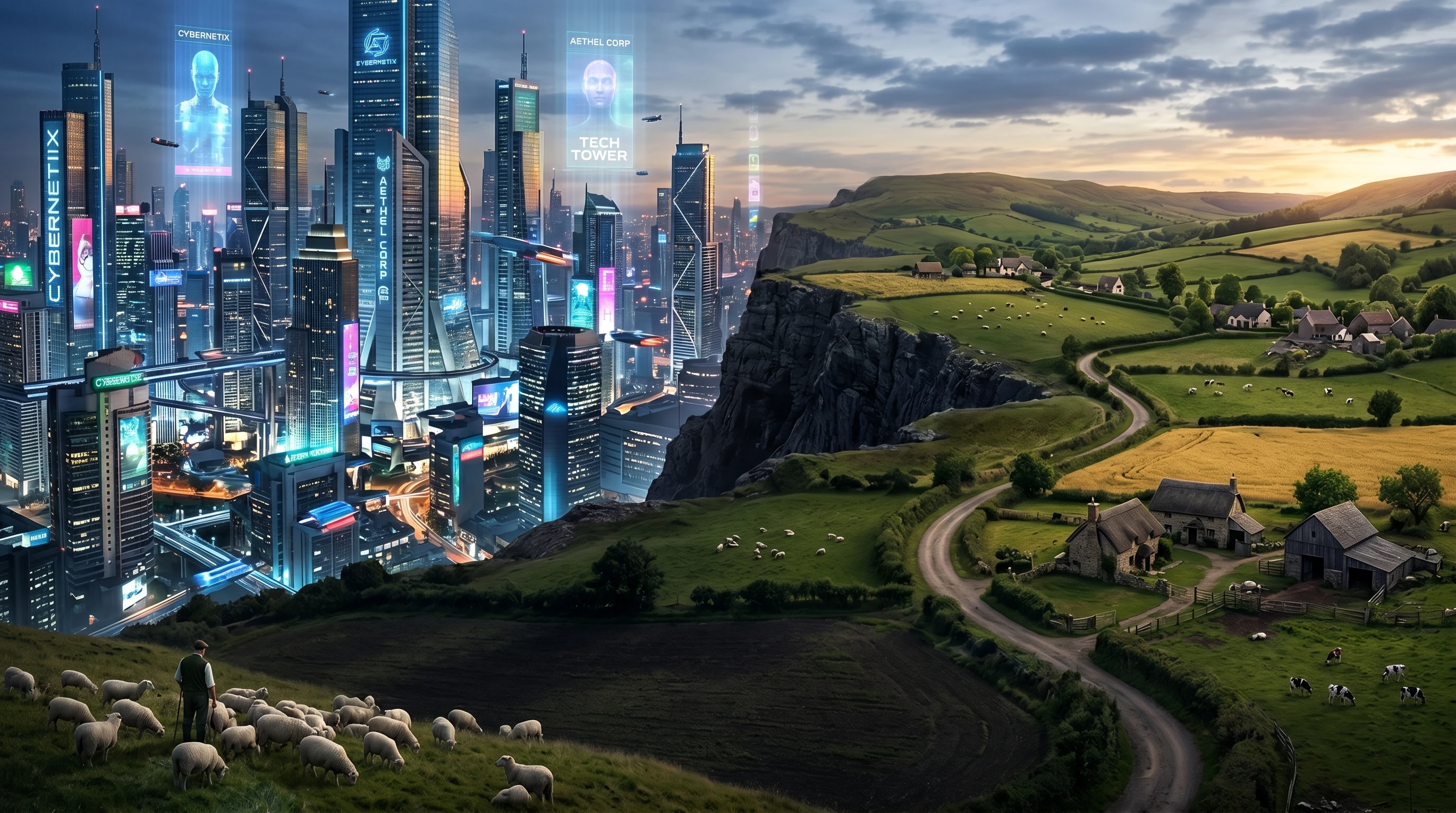
The topic of rising oligarchs and the emergence of a technopeasant society is growing more important as technology transforms how power and wealth are distributed. In this article, I’m sharing my personal perspective on how this affects people and communities. My goal is to help you understand where these trends originate, how they show up in real life, and what you should know about living in a world where some people hold a huge part of the pie while most others find themselves with less control over their lives and work.
Contents
- 1 The Growth of Oligarchic Power in Tech-Driven Societies
- 2 Who Are the Modern Oligarchs?
- 3 Defining the Technopeasant Society
- 4 Recognising the Main Signs of a Technopeasant Society
- 5 Practical Steps: Living and Working Within This New Order
- 6 Everyday Challenges in a Technopeasant Society
- 7 Examples and Real-World Impacts
- 8 Frequently Asked Questions
- 9 What Future Trends Might Look Like
The Growth of Oligarchic Power in Tech-Driven Societies
Over the past twenty years, I’ve noticed that a small number of people in technology, finance, and media have built up a huge amount of influence. These tech oligarchs aren’t just rich—they directly shape how information moves, what products get popular, and even the policies governments follow. The concentration of data, capital, and control in the hands of a handful of companies and individuals now impacts the daily lives of billions of people around the world.
This trend isn’t entirely new in history, but digital technology is speeding things up. Years ago, wealth and power were usually tied to owning factories or land. Nowadays, having access to servers, user data, and digital platforms is what’s truly valuable. The changing nature of power means that laws and communities struggle to stay current. You can see the effects when you look for jobs, try to control your online privacy, or notice how products and services switch up with every software update.
Based on reports, like the ones from the Oxfam Inequality Report, I see how a tiny group’s net worth climbs far faster than that of most people. This growing gap helps explain why oligarchs can set the direction for technology and, in many cases, society itself.
Who Are the Modern Oligarchs?
The word “oligarch” might have once made you think of Russian industrialists, but I now use it to describe leaders of large tech firms, investment titans, and social media founders. Think about those leading online marketplaces, smartphone companies, cloud storage providers, and digital payment giants. When a company’s network reaches more people than some entire countries, its leaders often end up with more practical power than many prime ministers or presidents.
I’ve watched how their decisions about algorithms, privacy policies, and app designs steer what millions of people do every day. Behind every platform are a small handful of decision makers whose interests may not always match the needs of those using their products.
Defining the Technopeasant Society
On the flip side, the term “technopeasant” is my way of describing people who count on digital platforms to make a living but have no say in the rules. Technopeasant isn’t meant as an insult—it’s about showing how modern work gets shaped by forces individuals have no power over. Remote freelancers, gig workers, and small business owners often depend on online reviews, algorithm-driven visibility, or on-demand task platforms for survival. They can lose their income overnight because of platform changes or a sudden drop in their ratings.
The daily struggle of dealing with shifting requirements, tech updates, and surprise fee changes creates a sense of instability. I’ve faced these same challenges, especially the unpredictable nature of social media algorithms that can make or break a small web-based business. It brings to mind past times in history when landless farmers (peasants) had to follow whatever rules the local lords put in place, just to stay afloat.
Recognising the Main Signs of a Technopeasant Society
You can spot several clear warning signals when a society starts sliding into a technopesant setup.
- Platform Dependency: People often feel pressure to follow strict guidelines set by major platforms to keep their income or connection with audiences.
- Job Insecurity: There’s practically no job security in gig roles or digital freelancing. Algorithm tweaks and sudden layoffs are now a normal hazard.
- Loss of Bargaining Power: Smaller creators and workers have a tough time negotiating better terms or rates with these tech-driven companies, which can keep pay unfairly low.
- Dominance of Digital Barons: As in feudal times, when a lord controlled land, today a few tech giants end up setting the rules for everyone else who uses their systems.
Practical Steps: Living and Working Within This New Order
Getting by in a technopesant society takes a mix of adaptability and awareness. Over the years, I’ve found a few habits and tricks that help people manage the risks while making the most of available chances:
- Switch Up Your Income: Don’t rely solely on one platform or app for your main cash flow. Spreading your skills and services across different outlets cushions you from nasty surprises.
- Stay Ahead of Policy Changes: Tech companies keep updating their terms of service, algorithms, and payment rules. Reading those notices and staying aware lets you dodge sudden shocks.
- Grow Your Personal Network: Connections with other freelancers or creators offer support, insights, and can help you find opportunities off-platform.
- Learn New Skills: Being able to adapt fast is super valuable. Picking up new digital skills or exploring basic coding helps keep your options open for the future.
- Stand Up for Your Rights: Joining or lifting up groups that back gig workers, small businesses, and platform users can boost everyone’s bargaining strength. Local co-ops and online unions are great examples.
Mixing these steps together builds more resilience and confidence, making it easier to get through the ups and downs of a shifting digital system.
Everyday Challenges in a Technopeasant Society
I’ve noticed several struggles in daily life as a result of modern oligarchs’ influence. These are some of the trickiest challenges, as well as a few tips on dealing with them:
- Algorithmic Bias: Sometimes, automated systems decide who gets to see your work or posts, which leads to bias or unfair downranking. Double-checking your tags and staying ready to send feedback are helpful but not foolproof fixes.
- Lack of Transparency: Payment policies, suspensions, or visibility rules usually feel blurry. Keeping records of your activities and communications can help in disputes, although most power lies with the platforms.
- Payment Delays or Changes: Gig platforms can update pay rates or fees with almost no warning. Staying in the loop via industry news, budgeting ahead, and keeping a financial backup plan makes the pressure easier to handle.
- Tech Burnout: The stress of always staying updated, online, and plugged in can lead to serious mental fatigue. Setting boundaries for work and taking genuine breaks from screens helps you stay healthy.
It isn’t always easy to tackle these problems, but building some simple systems—automated savings, staying active in support groups, or focusing on mental health—can make a big difference in everyday life.
Examples and Real-World Impacts
Here are some ways I see these trends play out in different lines of work. Take a food delivery worker: they rely on an app to pay their bills, but the app might lower pay rates or tweak how jobs get assigned overnight, putting the worker in a tough spot. An online writer can wake up to find years of work hidden by an algorithm change, or a small retailer selling on a digital marketplace might lose their account over minor rule violations.
On the flip side, the big tech leaders are able to make decisions or launch features that instantly affect millions of jobs and even national elections. Their reach goes far beyond making money—they influence cultures, communities, and government choices across the globe.
- Gig Economy: App-based driving or delivery jobs have made earning a flexible income possible, but they don’t offer the protections that regular employment does.
- Online Content Creation: Algorithm changes on streaming and social apps almost always decide who makes a living and who loses out, with most creators learning this the hard way.
- Digital Retailing: Small sellers risk losing all their customers overnight if their accounts are shut down without warning.
Frequently Asked Questions
Here are answers to some of the most common questions I hear about oligarchs and technopesants.
Question: What led to the rise of tech oligarchs?
Answer: The combo of superfast digital growth, worldwide markets, and the ability to control information networks and user data let a few people and companies score massive wealth and influence. Governments have had a hard time keeping pace, which tips the scales even more.
Question: Is it possible to avoid being like a technopeasant Answer: Lifting up advocacy groups, joining unions or co-ops, and calling for stronger labour and privacy laws can make a difference?
Answer: It helps to mix up your income, keep tracking trends, and build a solid network. Still, avoiding all dependency on a single platform is really hard unless you have rare skills for offline markets or manage your own independent outfit. Even then, you’ll likely still feel the impact of digital trends.
Question: How can workers and users push back against unfair practices?
Answer: Sharing direct feedback and bringing issues to public forums also makes more people aware, and sometimes moves companies to act.
What Future Trends Might Look Like
Looking forward, I expect more calls for stronger rules, alternative platforms that return control to users, and a bigger emphasis on fairer treatment for gig and creative workers. Technology itself isn’t the root problem; it’s the system and incentives that have created such a wide gap between leaders and everyone keeping the systems running. Staying sharp, flexible, and connected is essential as this balance keeps changing.
The rise of oligarchs and the daily experience of technopesants are shaping the modern world in fresh ways. If you find yourself affected by these trends—and most of us are—you’re not alone. Finding your way through these changes together builds more strength and boosts the odds of fair results for everyone.
In my book, “The Therapeutic Zone.” I wrote about a postcode that was a prison and a psychiatric ward without bars on the windows or locks on the doors. Control is effected through screens, medication, income control and therapy. You have freedom of travel, but rarely have enough income to travel beyond your postcode. You have freedom of speech, but you have no reach unless it is authorised by monitors, editors or programmers. Even politicians and celebrities read from scripts. This is not going to happen in five years in your postcode; it’s happening now.